
Jute Bags vs Tote Bags: Complete Guide & Comparison (2026)
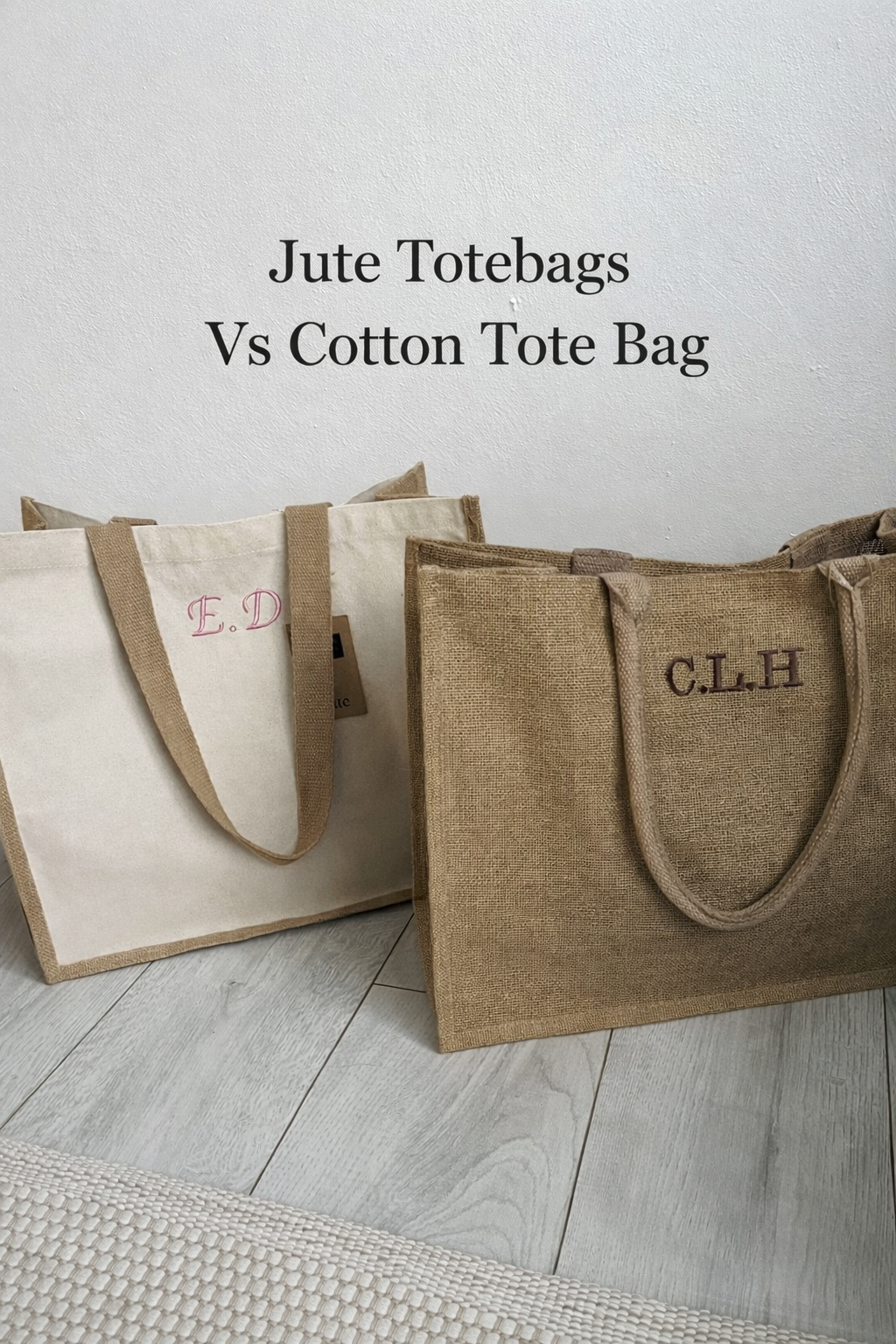
Choosing between jute bags and tote bags is more than just picking a carrier. These bags represent your brand, values, and style. They are also practical accessories that can influence daily convenience and long-term sustainability. Both jute and tote bags have unique benefits, and your final choice depends on your priorities. These include eco-impact, durability, customization, budget, and intended use.
In this guide, we will compare both materials in detail, covering durability, cost, sustainability, customization, and real-life use cases. By the end, you will know which bag fits your lifestyle or brand best.
Table of Contents
- What Are Jute Bags?
- What Are Tote Bags?
- Material Comparison: Jute vs Canvas
- Durability & Strength Assessment
- Environmental Impact & Sustainability
- Cost & MOQ Comparison
- Aesthetic & Style Differences
- Customization & Branding Potential
- Care & Maintenance Guide
- Best Use Cases
- Unique Facts You Didn’t Know
- Final Takeaway
- FAQs
What Are Jute Bags?
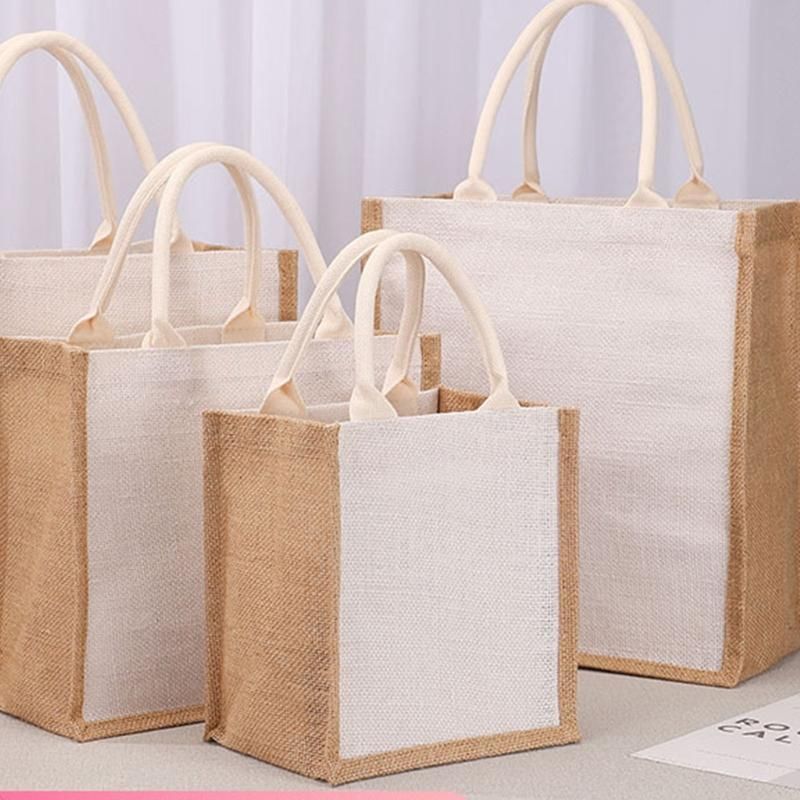
Jute bags are made from natural jute fibers, which come from the Corchorus plant. These plants grow mainly in Bangladesh and India. Jute is one of the most sustainable natural fibers available. It is 100% biodegradable and compostable, breaking down within 6–12 months under the right conditions.
Jute bags are renowned for their rustic, premium, and eco-friendly appearance, making them an ideal choice for eco-brands, organic stores, and sustainable events. They are strong and durable, with a tensile strength of 320–580 MPa, and can carry loads up to 15 kg when designed well. Jute fibers can also be blended with cotton to improve softness and comfort.
History of Jute Bags
Jute has been used since 3000 BCE in the Indus Valley, making it one of the oldest fibers in human history. During medieval trade and colonial export, jute became a global commodity and was widely used for packaging and shipping. It became especially prominent during the Industrial Revolution and World Wars when it was used for sacks and ropes.
The use of jute declined with the rise of plastic bags, but it revived in the 21st century due to global sustainability demand. Today, it is known as Bangladesh’s “golden fiber.” Jute also supports rural communities and women employment in manufacturing areas.
Key Features of Jute Tote Bags
- Made from jute fabric / burlap
- Rough, coarse texture with a rustic look
- High tensile strength (400–800 MPa)
- Excellent heavy load resistance (15–20 kg)
- Naturally breathable and moisture-absorbing
- Fully biodegradable and compostable
- Known as the “Golden Fiber”
Common Uses
- Grocery shopping & farmers’ markets
- Eco-friendly tote bags
- Rustic-style bags
- Promotional tote bags
- Gift tote bags
- Sustainable packaging for organic food brands
Pros & Cons of Jute Bags
Advantages:
- Excellent biodegradability and eco-friendly appeal
- Strong and durable material
- Natural, authentic branding and premium look
- Jute acts as a carbon sink, absorbing CO₂ while growing
- Jute bags can become a trust-building tool for eco brands
Disadvantages:
- Rough texture, often needs lining for comfort
- UV-sensitive, which can cause fading over time
- Higher cost and higher minimum order quantities (MOQs)
- Sensitive to humidity and mold if stored in damp places
Easy Comparison Table: Jute Bags vs Tote Bags (2026)
| Feature | Jute Bag | Cotton/Canvas Bag |
| Material Type | Natural fiber | Cotton canvas, polyester, nylon, or non-woven PP |
| Eco-Friendliness | 100% biodegradable | Reusable, |
| Carbon Impact | Acts as a carbon sink (absorbs CO₂) | Resuable |
| Durability | Weak in moisture | Durable |
| Comfort | Rough/need lining | Soft for daily use |
| Printing Quality | Limited Printing option | Multiple printing options |
| Style & Look | Rustic, premium, natural | Clean, modern, fashion-friendly |
| Customization | Limited, higher MOQ | Low MOQ |
| Price Range | Higher | Moderate |
| MOQ | 500+pieces | 50+pieces |
| Best Use Cases | Eco brands, gifts, stores | Retail, events, university merch, promotions |
| Maintenance | Avoid water & Humidity | washable, |
| Hidden Benefits | For Rural jobs & women’s employment | silent marketing engine |
| Big Drawback | mold in humid climates | Not recyclable |
What Are Tote Bags?
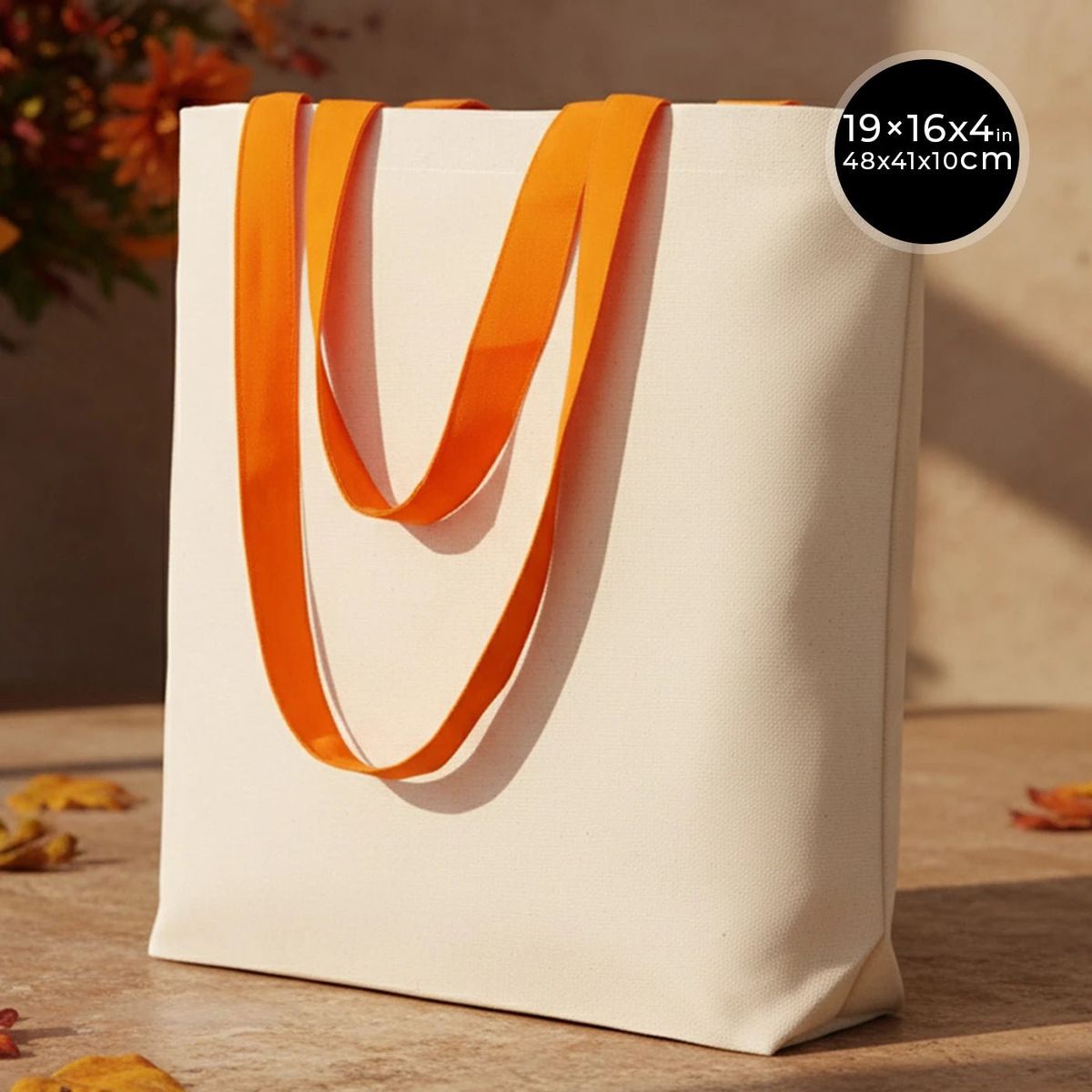
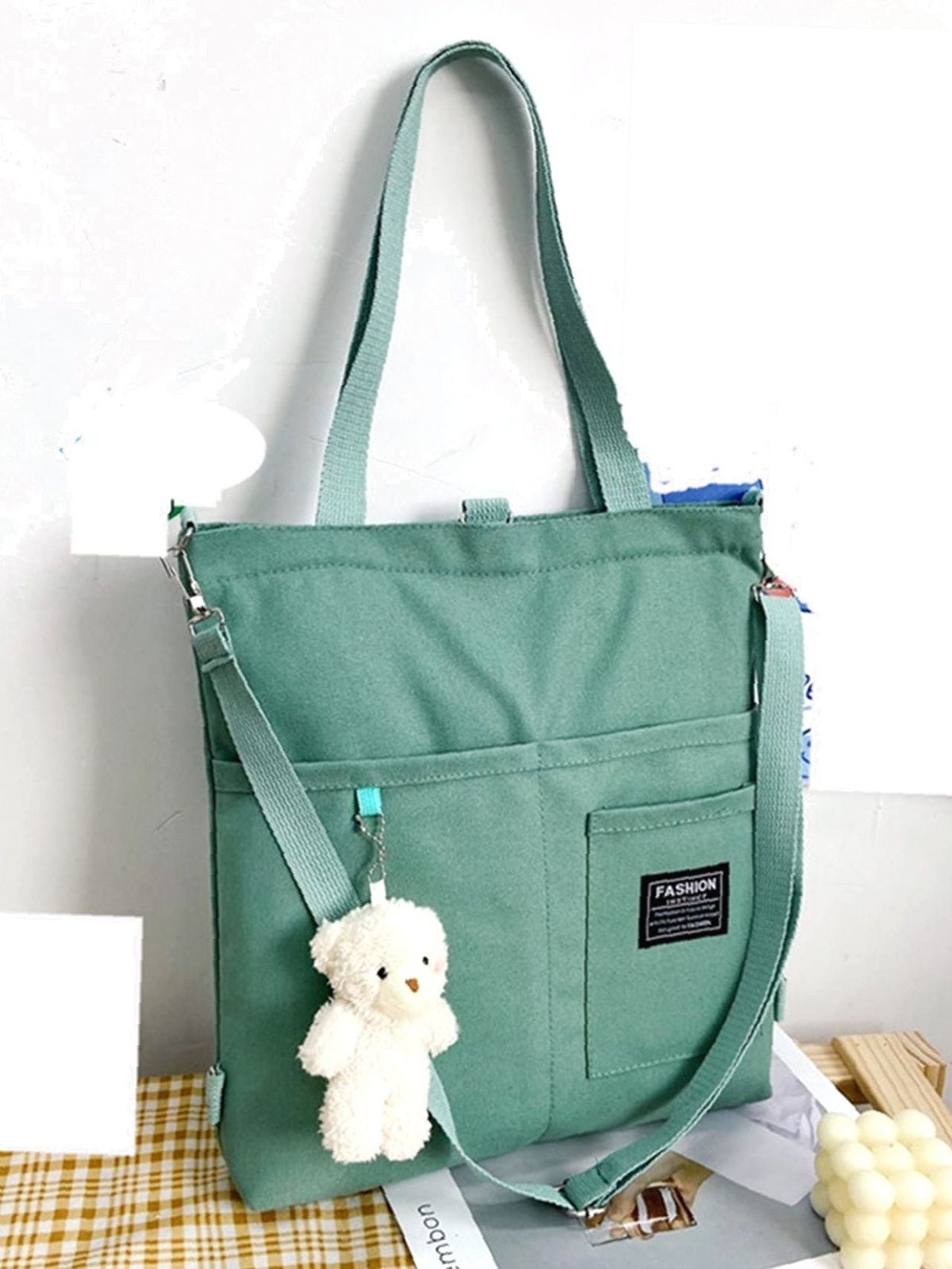
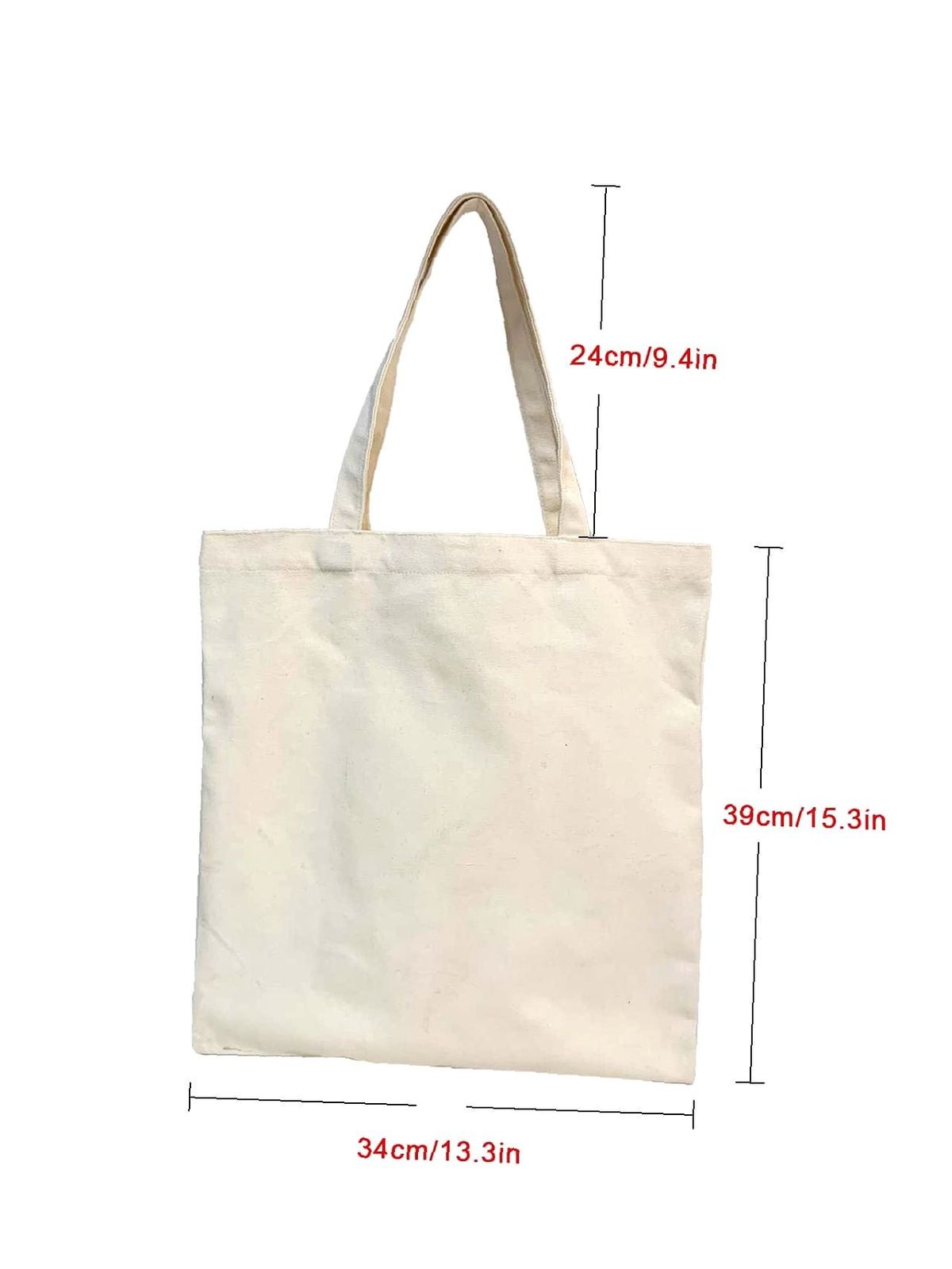
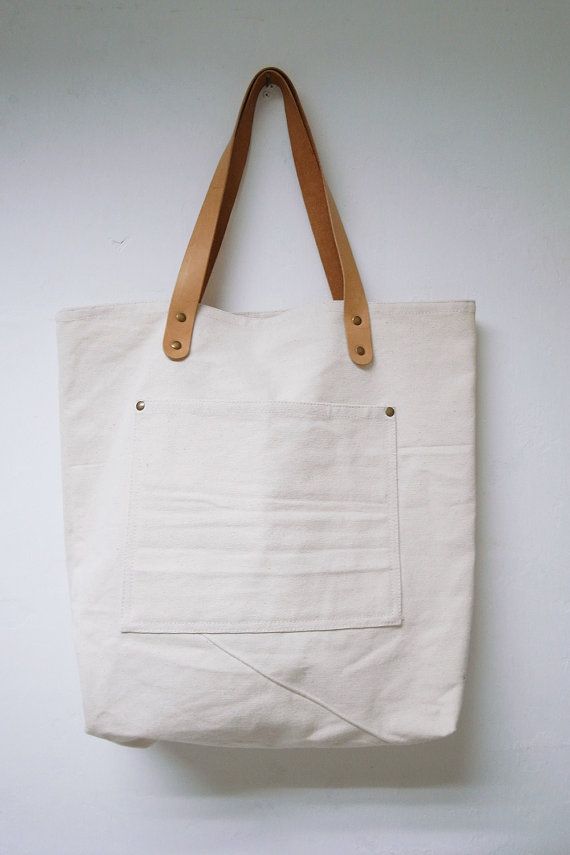
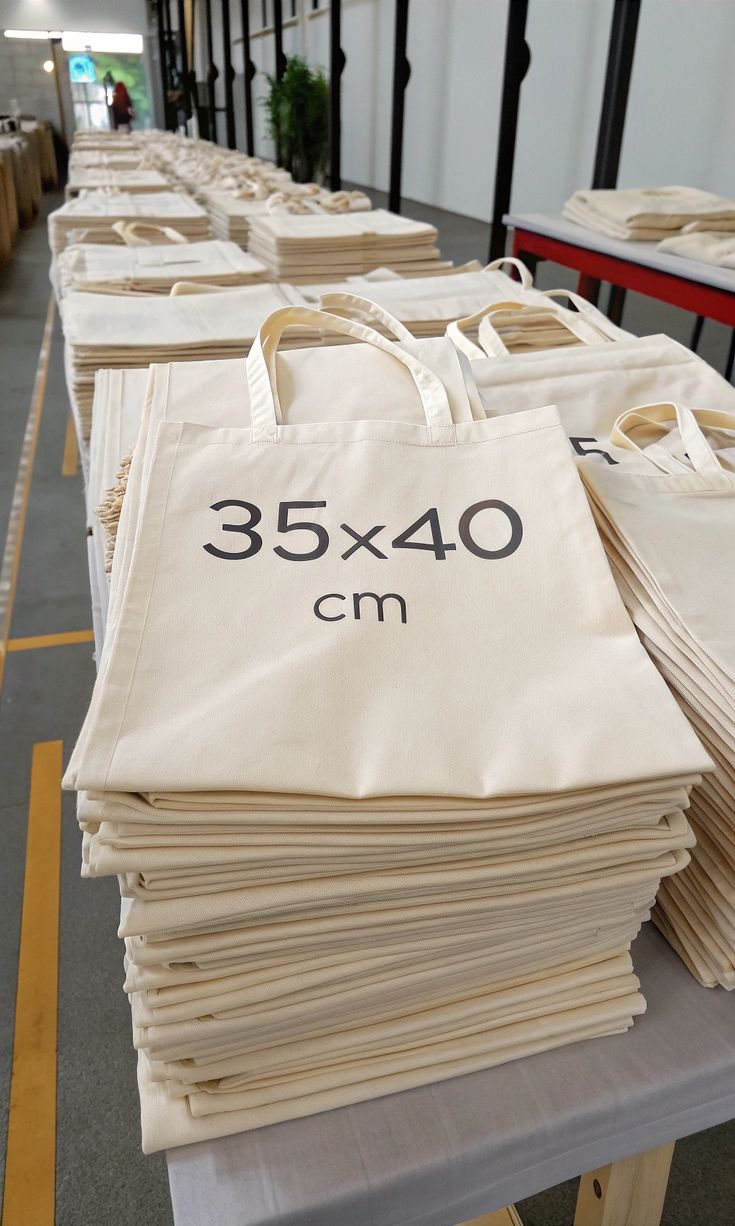
Tote bags are open-top bags with parallel handles. They are known for versatility and practicality. They can be made from various materials like cotton canvas, polyester, nylon, or non-woven polypropylene.
Tote bags are highly versatile and ideal for everyday use, shopping, commuting, events, and brand promotions. They are also widely used in retail, universities, fashion, and marketing campaigns due to their customization ability. Tote bags are also used as fashion accessories, making them a lifestyle statement.
History Highlights of Tote Bags
The word “tote” means “to carry”, and it was used as early as the 1600s. Tote bags gained popularity in 1944 when L.L. Bean introduced the Boat and Tote bag. They became popular among activists in the 1970s as reusable alternatives to plastic bags.
By the 2000s and 2010s, tote bags became fashion icons and are now symbols of personal values, sustainability, and style. Tote bags act as a silent marketing engine because they promote brands through daily use.
Key Features of Plain Tote Bags
- Made from cotton canvas, organic cotton, or blended fabrics
- Smooth, soft feel
- Lightweight yet durable
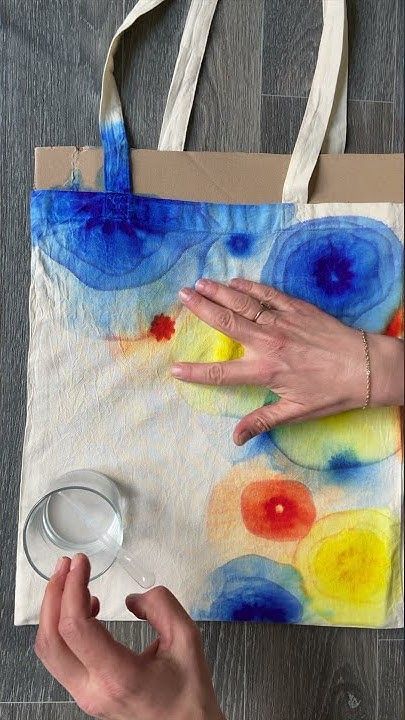
- Excellent fabric dyeability & ink absorption
- Ideal for custom printing
- Easier to machine wash or hand wash
Common Uses
- Daily use tote bags
- School bags & library bags
- Designer bags & fashion accessories
- Corporate swag bags
- Trade shows & conferences
- Promotional branding & advertising prints
Material Comparison: Jute vs Canvas
Jute and canvas are both natural fibers, but they have different textures, strengths, and use cases. Jute is rough and coarse, giving a rustic and earthy appearance. It is strong but can feel stiff and requires careful maintenance.
Canvas is smoother and softer, making it comfortable for daily use. It has high tensile strength and is often more durable for heavy-duty use. Canvas can also be treated to become water-resistant, making it better suited for outdoor use compared to jute.
Durability & Strength Assessment
Canvas is famous for its strong and durable weave, making it suitable for daily heavy use. Jute is also strong, but it performs best in dry conditions and can weaken when exposed to moisture. Canvas can last 3–5 years with proper care, while jute typically lasts 1–2 years depending on usage.
For heavy items and regular use, canvas is the more reliable choice. For eco-focused light use, jute still performs very well. Canvas bags can be coated with natural wax for extra durability and water resistance.
Environmental Impact & Sustainability
Jute is one of the most sustainable materials available. It is renewable, biodegradable, and requires minimal chemicals. It has a low carbon footprint and decomposes naturally within a few months. Jute plants also act as carbon sinks, absorbing CO₂ while growing.
Canvas is usually made from cotton, which requires more water and chemicals during production. However, canvas bags are durable and reusable, which reduces long-term waste. When used over 150+ times, canvas can offset its higher production footprint.
Cost & MOQ Comparison
The cost of bags depends on material, production, and customization. Jute bags usually cost around $1.80+ with MOQs of 500 pieces due to labor-intensive processing. Cotton canvas totes can be priced at around $1.20 with lower MOQs of 50 pieces.
Non-woven polypropylene tote bags are cheaper at around $0.45 but require higher MOQs of 1000 pieces. Jute bags often have higher cost because they support fair wages and sustainable manufacturing.
Aesthetic & Style Differences
Jute bags offer a natural and rustic look. They are perfect for brands that want to show authenticity and eco-conscious values. Canvas bags offer a clean, modern look and come in various colors and patterns. They are ideal for fashion-forward designs.
Canvas provides a smooth surface that enhances printing quality and color vibrancy. Jute’s natural texture enhances organic and artisanal designs, but printing is more limited compared to canvas. Jute bags with lining look premium and last longer.
Customization & Branding Potential
Canvas tote bags dominate in customization options. They support screen printing, DTG printing, sublimation, embroidery, and more. They also allow for advanced customization like zippers, pockets, RFID linings, waterproof coatings, and hardware.
Jute bags can be customized too, but options are more limited and artisanal. They often require higher MOQs (300–500 pieces). Brands looking for premium eco-packaging often choose jute, while mass merch and promotions prefer canvas.
Canvas bags are perfect for limited edition fashion merchandise because they support vibrant printing and detailed designs.
Care & Maintenance Guide
Jute Bags:
Best cleaned with a damp cloth. Avoid soaking in water. Air dry in shade. Store in a dry place. Avoid humidity and mold by storing in cool, dry areas.
Canvas Bags:
Machine washable (cold gentle cycle). Air dry and reshape while damp. Avoid dryer to prevent shrinking. Can be treated with water-resistant spray. If used over 200 times, canvas becomes more eco-friendly than many other materials.
Best Use Cases
Best for Jute Bags
Eco-focused brands
Organic grocery stores
Eco-events and gift packaging
Premium limited editions
Social impact projects and community-driven brands
Best for Canvas Tote Bags
Retail and merchandise
University events
Promotional campaigns
Fashion and lifestyle brands
Limited edition seasonal products
Best for Non-Woven PP Bags
Large giveaways
Conferences and mass events
Budget-friendly promotional campaigns
Unique Facts You Didn’t Know
Jute bags act as carbon sinks because jute plants absorb CO₂ while growing. Jute bags support rural employment and women workers in manufacturing communities. Jute is naturally anti-static and can be used for packaging electronics.
Canvas bags can be made water-resistant with natural wax coating. Tote bags are not only useful but also fashion accessories, and they become long-term brand ambassadors. Tote bags can be recyclable only if designed with single material and no plastic lining.
Final Takeaway
Choose jute bags if your priority is maximum eco-credibility, biodegradability, and natural premium appeal. Choose canvas tote bags if you want vibrant branding, washability, flexibility, and lower entry costs. The best strategy is to combine both materials. Use jute for premium editions and canvas for mass merch.
Custom bags designed thoughtfully become long-term brand ambassadors, not just packaging.
FAQs
Q1. Which bag is more sustainable, jute or canvas?
Jute is more biodegradable, but canvas can be more sustainable if used for 200+ uses. The real winner depends on your usage and care.
Q2. Can jute bags be washed?
Jute bags should not be soaked; clean with a damp cloth and air dry. Avoid moisture to prevent mold.
Q3. Are tote bags good for branding?
Yes, tote bags are excellent for branding because they offer high customization and are seen daily in public.
Q4. Which bag is best for corporate events?
Canvas totes are ideal for corporate events due to customization, durability, and cost-effectiveness.
Q5. Can jute bags be used in humid climates?
They can, but they require careful storage to avoid mold and weakening of fibers.