

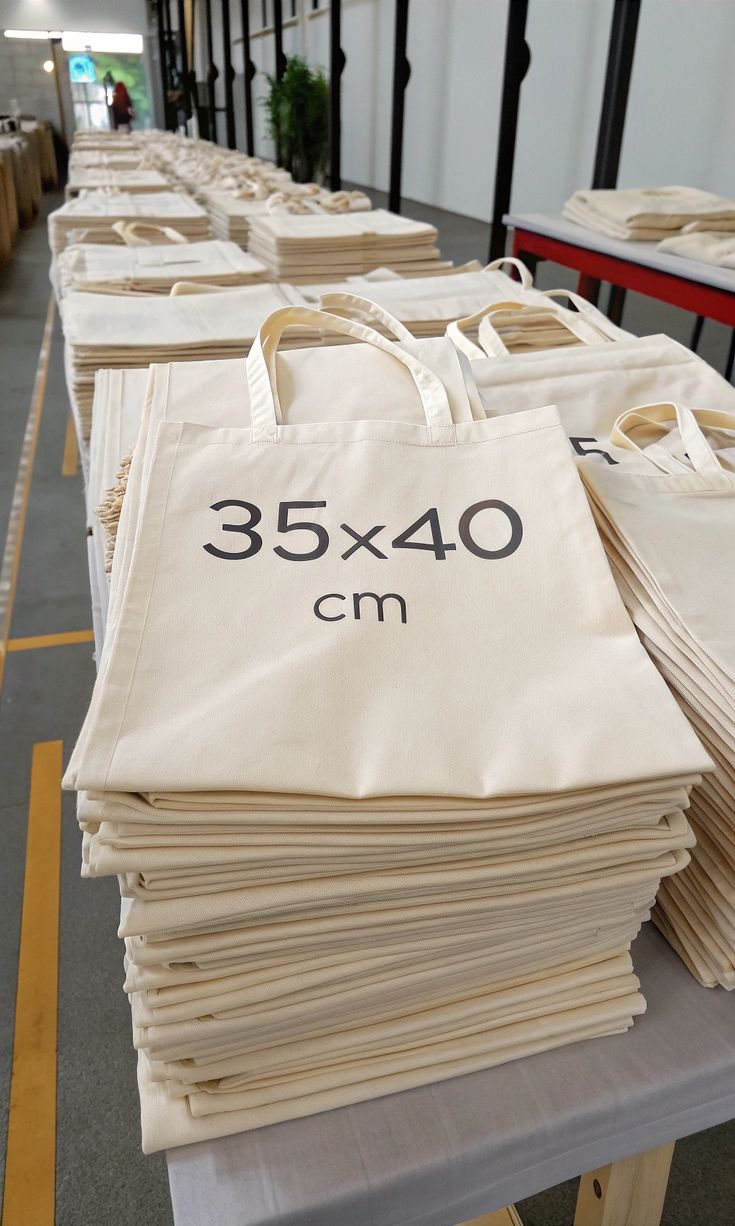
The tote bag market has experienced significant growth over the past decade. The global tote bag market was valued at approximately USD 2.75 billion in 2024 and is projected to grow to USD 3.94 billion by 2032, registering a compound annual growth rate (CAGR) of 4.6% over the forecast period.
With the rising demand for eco-friendly, reusable bags, there is a significant opportunity for entrepreneurs. Are you looking for how to start a tote bag business in Pakistan for beginners?
This guide will be very helpful and crafted with insights from many years of industry experience, walking you through the essential steps to start and scale a successful tote bag business—from market research and product development to marketing strategies and profitability. Let’s begin!
Why Start a Tote Bag Business?
Starting a cotton tote bag business in Pakistan offers a unique opportunity to tap into a thriving market. Plain tote bags from Pakistan are practical, highly customizable, and appeal to eco-conscious consumers, fashion enthusiasts, and corporate clients alike.
You should definitely start if you are thinking about how to start a tote bag business in Pakistan from home. Because:
- Low production costs and scalability.
- Flexibility in designs, materials, and branding.
- Growing consumer demand for sustainable alternatives to plastic bags.
By understanding production, branding, and marketing, entrepreneurs can create a profitable and sustainable tote bag business.
How to Do Market Research For a Niche?
To start a tote bag business, research is essential. Identify: Target audience, trends, and competitors. You should know who your potential buyers are, what are current trends and study successful brands to identify pricing, product gaps, and consumer preferences.
Market research helps determine demand, pricing strategies, and potential sales channels.
Choose a Micro Niche After Thorough Research
There are multiple benefits if you narrow down your product selling after research. As focusing on a niche improves:
- Targeted Marketing: Tailored campaigns increase engagement.
- Brand Identity: A clear niche creates a memorable brand.
- Reduced Competition: Stand out from generic sellers.
- Profitability: Premium, unique products justify higher prices.
Examples of Tote Bag Niches
- Eco-Friendly Tote Bags: Organic or recycled materials.
- Creative & Artistic Designs: Prints, graphics, or motivational quotes.
- Pop Culture Fans: Bags inspired by movies, games, or comics.
- Pet Lovers: Personalized pet-themed designs.
Competitive Analysis
Analyze competitors’ designs, pricing, and marketing strategies using tools like SEMrush or Ahrefs. Also, do thorough research manually on Google, Daraz, Etsy, Etc.
customer reviews to understand what buyers value most—durability, design, or eco-friendliness.This will help you know what people need to buy and what you should sell.
Developing Your Brand and Product Offering
You need to create a unique selling proposition (USP) as a
A strong USP differentiates your brand. Examples:
- Sustainability-focused products with organic materials.
- Customization options like monograms or personalized designs.
Product Range and Pricing Strategy
To cater to different consumer segments in Pakistan, it’s important to offer a tiered product range with corresponding pricing. This approach helps attract budget-conscious shoppers, eco-friendly buyers, and premium customers, while maximizing market reach and profitability. Below is a suggested breakdown:
| Product Type | Material | Price Range (PKR) | Target Market |
| Basic Tote Bags | Polyester | 1000-1500 | Budget-conscious |
| Mid-Range | Canvas / Cotton | 1500-2500 | Eco-conscious |
| Premium | Premium Cotton | 2500-3000 | Luxury-conscious |
Sourcing Materials and Suppliers
Organic cotton suits premium, eco-conscious buyers in major cities, while canvas is ideal for versatile mid-range bags, and jute appeals to artisanal, eco-friendly markets. Polyester offers a budget-friendly, durable option for everyday use. Combining materials creatively can help your brand stand out in Pakistan’s competitive tote bag market.
| Material | Pros | Cons | Cost Per Yard |
| Organic Cotton | Eco-friendly, soft, premium feel | Expensive | PKR 1,650 – 2,100 |
| Canvas | Durable, versatile, widely available | Limited color options | PKR 900 – 1,350 |
| Jute | Biodegradable, rustic appeal, trendy | Rough texture, less versatile | PKR 600 – 900 |
| Polyester | Durable, water-resistant, budget-friendly | Non-biodegradable | PKR 750 – 1,050 |
Finding Suppliers For Tote Bags Wholesale Pakistan Lahore
Sourcing reliable suppliers is a key step for starting a tote bag business in Pakistan. Major cities are hubs for textiles, offering bulk fabrics such as canvas, jute, polyester, and cotton at competitive prices. Key markets include:-
- Karachi: Tariq Road, Saddar, and local wholesale textile markets.
- Lahore: Shah Alam Market, Ichhra, and Lakshmi Market.
- Faisalabad: Textile hubs and industrial markets known for cotton and canvas supplies.
Visiting these markets allows entrepreneurs to assess quality firsthand, negotiate better rates, and build strong relationships with suppliers.
In addition to local sourcing, online B2B platforms like Alibaba, Daraz Wholesale, and Pakistani supplier directories can help find verified manufacturers. It’s important to place small sample orders to test material quality and durability before bulk purchases.
Attending trade fairs and textile exhibitions, such as IDEAS Expo or Textile Pakistan, also provides opportunities to evaluate products and establish long-term supplier connections, ensuring consistent quality and reliability for your tote bag business.
Designing Your Tote Bags
Design tote bags that stand out by using tools like Canva or Adobe Illustrator, collaborating with designers, and incorporating trends such as minimalist patterns, vibrant colors, or cultural motifs. Offering limited edition designs and blending traditional Pakistani art with modern aesthetics can create exclusivity and appeal to a wide audience.
Prototyping and Testing
Before mass production, create prototypes to assess durability, functionality, and visual appeal. Gather feedback from early customers or focus groups, then refine designs accordingly. Small pilot releases help minimize waste, improve usability, and ensure the final product meets customer expectations.
Production and Quality Control
Choosing the right production method shapes both product quality and brand reliability. A well-planned production strategy ensures consistency, efficiency, and long-term customer trust.
In-House Production
In-house production offers complete creative and quality control, making it ideal for brands that focus on customization and craftsmanship. This approach allows close monitoring of materials, design, and finishing, though it requires a higher investment in equipment, space, and skilled labor.
Outsourced Production
Outsourced production allows businesses to scale faster by leveraging the expertise of experienced manufacturers while keeping costs low. It reduces operational complexity and enables brands to focus more on design, marketing, and sales.
Quality Control Measures
Regardless of the production method, strong quality control at every stage—through manual inspections or automated systems—ensures consistent quality, fewer returns, and a brand reputation customers can trust.
Print-On-Demand for Tote Bags
Print-On-Demand (POD) is a popular business model for entrepreneurs who want to start selling tote bags with low risk and minimal upfront investment.
What Is Print-On-Demand?
Print-On-Demand is a fulfillment model where a third-party supplier prints your custom designs on tote bags only after a customer places an order. The POD provider also manages packaging and shipping, allowing you to operate without holding inventory or managing logistics. This model is ideal for testing new designs and launching quickly.
Advantages of Print-On-Demand
One of the biggest advantages of POD is minimal upfront investment, as you only pay for products after making a sale. It allows entrepreneurs to focus on design, branding, and marketing rather than production.
POD also supports scalable growth, meaning your business can handle one order or thousands without changing operations. Flexible design testing lets you experiment with trends without the risk of unsold stock.
Limitations of Print-On-Demand
While POD offers convenience, it comes with limitations. Customization options may be restricted to available templates and print areas. You also have less control over materials, stitching quality, and packaging, which can affect brand perception. Additionally, shipping times may be longer compared to self-fulfillment, especially for international orders.
POD works best as a launch or testing strategy, but growing brands may eventually shift to bulk or hybrid production for better control.
Marketing and Selling Tote Bags
Effective marketing helps your tote bag brand reach the right audience, build trust, and drive consistent sales across multiple channels.
Building an Online Presence
Creating a professional e-commerce website is essential for showcasing your tote bags and managing sales. Your website should be easy to navigate, mobile-friendly, and optimized for search engines. Strong SEO practices help attract organic traffic, reduce dependence on paid ads, and increase long-term visibility.
Social Media Marketing
Social media platforms such as Instagram, TikTok, and Pinterest are powerful tools for promoting tote bags visually. Sharing high-quality images and videos, running contests, using relevant hashtags, and collaborating with influencers help increase reach and engagement while building a strong brand identity.
Email Marketing
Email marketing allows you to build direct relationships with customers. By segmenting email lists and personalizing campaigns, brands can send targeted offers, product updates, and discounts. Studies show that email marketing delivers an average ROI of 4,200%, making it one of the most effective digital marketing channels.
Trade Shows and Local Markets
Participating in trade shows and local markets helps boost brand exposure and create face-to-face connections with customers. Offering limited-time discounts or exclusive products encourages purchases and leaves a strong first impression.
Content Marketing and SEM
Content marketing builds authority and attracts organic traffic through blog posts on fashion trends, sustainability, and tote bag usage. Search Engine Marketing (SEM), such as paid search ads, complements this strategy by increasing visibility for high-intent keywords and driving faster results.
Strong financial planning ensures your tote bag business remains profitable and scalable. Understanding costs and applying the right pricing strategy helps protect margins while staying competitive.
Calculating Production Costs
Breaking costs into percentages makes pricing easier to adjust as your business grows. Regularly reviewing these costs helps identify savings that can be reinvested into marketing, design, or sustainable improvements.
Typical Production Cost Breakdown
| Cost Type | Percentage of Total Cost |
| Materials | 40% |
| Labor | 30% |
| Overhead | 15% |
| Shipping | 10% |
| Miscellaneous | 5% |
Pricing Strategies
Pricing should strike a balance between covering costs and matching what customers value. Cost-plus pricing is simple and reliable for beginners, as it adds a fixed markup to production costs.
Value-based pricing allows brands to charge more by highlighting quality, sustainability, and customization. Tiered pricing and bundles increase average order value by offering customers flexible choices, while also reinforcing your brand’s value and story.
Expanding your product lines—such as introducing cosmetic pouches, backpacks, or travel accessories—can significantly boost customer engagement and revenue.
Entering New Markets
Entering new markets means reaching beyond your current customer base—through geographic expansion or targeting niche demographics.
Strategies for Market Expansion
- Localize designs to suit regional tastes
- Target niche demographics such as students, corporate clients, or event planners
- Adapt marketing strategies to the preferences and culture of the new audience
Incorporating regional cultural motifs or language variations in your designs makes your products more relevant and attractive to local customers, enhancing brand loyalty.
Leveraging Technology
Technology is a key factor for scaling a tote bag business efficiently.
Tools and Benefits
- E-commerce Platforms: Shopify, Daraz, and Etsy simplify online selling
- CRM Systems: Track customer interactions, preferences, and repeat purchases
- Inventory Management Tools: Automate stock tracking and prevent overstock or stockouts
- Data Analytics: Inform smarter decisions on production volumes, popular designs, and marketing effectiveness
Using analytics to understand customer behavior in Pakistan—like popular colors, designs, or seasonal demand—helps refine production and marketing strategies, boosting revenue and customer satisfaction.
Making Tote Bags from Home
Use durable fabrics like canvas or cotton and reinforce handles and seams for longevity. Add small unique design touches like limited-edition prints or subtle embroidery—this makes your home-made bags feel premium and collectible, giving you an edge over mass-produced options.
Inventory Management
Keep track of stock levels and production schedules to avoid shortages or overstock. Using Print-on-Demand or dropshipping can reduce storage costs and allow you to test designs before full production, giving flexibility that larger competitors often lack.
Customer Service
Respond quickly, solve problems efficiently, and personalize interactions. Offering custom thank-you notes or small extras creates memorable experiences that build loyalty, turning customers into advocates and helping your brand outshine generic e-commerce competitors.
Profitability of Tote Bag Business
Selling tote bags in Pakistan can be highly profitable if you balance production costs, pricing, and marketing. For example, a bag costing PKR 500 to make and sold for PKR 1,500 yields a PKR 1,000 gross profit per bag.
Offering customized designs or limited editions allows you to charge a premium, appealing to urban customers who value exclusivity and quality.
Tips for Selling While Working a Full-Time Job
Start small and manage production during evenings or weekends—Automate order processing, payments, and shipping to save time. Track sales and inventory closely to monitor profitability and scale your business gradually without risking your primary income.
Finding Creative Tote Bag Design Ideas
Use Pinterest, fashion blogs, art platforms, and social media for trends. Mood boards and trend forecasting tools help visualize your ideas. Local culture, architecture, and nature can also provide unique inspiration for Pakistani customers.
Making Your Designs Stand Out
Experiment with unusual materials, hand-painted artwork, or multifunctional features like pockets or convertible straps. Align designs with the lifestyle and preferences of your target audience in Pakistan to make your products more appealing.
Conclusion
Starting a tote bag business in Pakistan requires careful planning, creativity, and strategic execution. By focusing on market research, niche selection, quality materials, and effective marketing, entrepreneurs can build a profitable and scalable brand. Whether through print-on-demand, traditional production, online stores, or physical shops, success comes from prioritizing customer satisfaction, product quality, and innovative designs.
Leave a comment