

Canvas Tote Bags vs Plastic Bags: Which One is Better & Why?

Table of Contents:
- Introduction
- What is a Tote Bag?
- What is a Plastic Bag?
- Basic Design and Features Comparison Between Plastic & Canvas ToteBags
- Which One is Most Used in Pakistan? Plastic or Tote Bags
- The Real Comparison Based on Material, Durability, Strength Capacity, Lifespan, and Usability Resistance to Heat and Weather Maintenance, and Recycling
- Pros & Cons of Tote & Plastic Bags
- Comparison Based on Cost, Market Trends
- How to Market a Brand with Customized Tote Bags?
- Why Do People Prefer Eco-Friendly Totes Over Plastic Bag?
- Final Words
Every day, shoppers face a choice: a bright, stylish tote bag or a thin, noisy plastic bag. This simple choice reflects more than personal preference—it shows awareness of waste, sustainability, and brand values. While plastic bags are cheap and convenient, they harm the environment.
Tote bags, on the other hand, are reusable, strong, and eco-friendly. Over time, tote bags have evolved into more than just carriers—they represent responsibility, style, and a long-term perspective.
What is a Tote Bag?
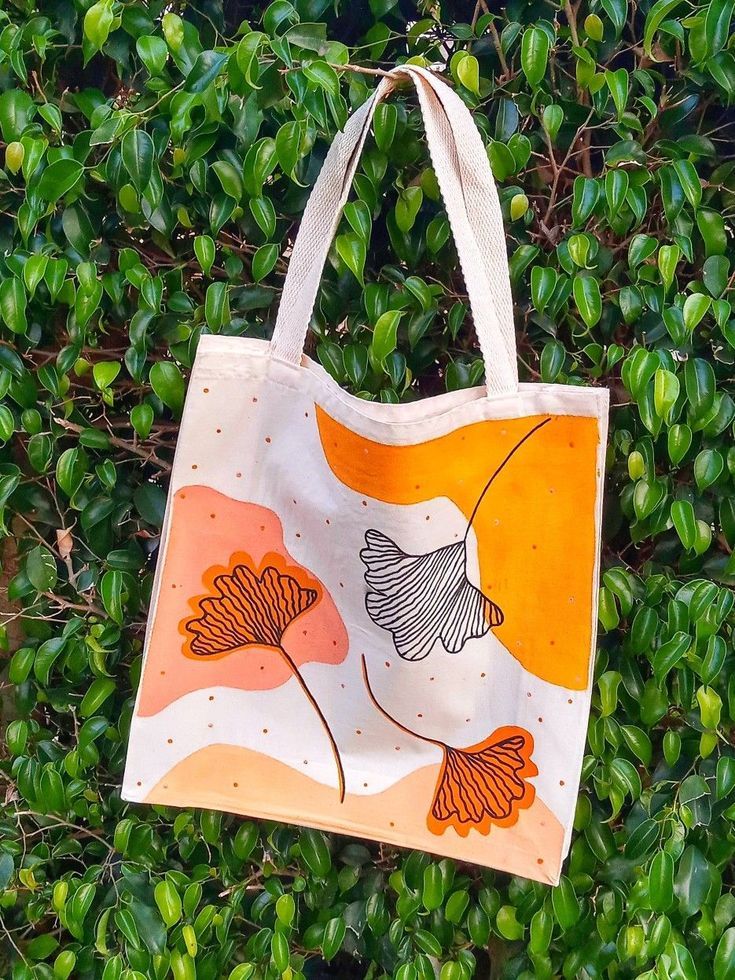
A tote bag is a reusable bag made from fabric such as cotton, canvas, polyester, jute, or recycled materials. It usually has two handles and an open top. Tote bags are designed for repeated use and durability.
Over time, they have evolved from simple utility bags to fashion statements and promotional tools. Strong, spacious, and versatile, they are perfect for shopping, work, travel, and daily use.
What is a Plastic Bag?
Plastic bags are thin, lightweight bags made from HDPE or LDPE plastic. They are cheap, disposable, and often used for short trips from the store to home. Plastic bags are convenient but weak, usually used only once, and contribute significantly to pollution, especially in oceans and landfills.
Basic Designs & Features of Tote & Plastic Bags
It is very important to understand the basic history and features of tote and plastic bags if we want to know which bag is better and which bag we should buy to carry daily life things. According to United Nations Environmental Programme, many countries have taken action against plastic pollution and focus on using recycled bags.
ToteBag Features:
The word “tote” comes from an Old English term meaning “to carry.” It first appeared in American English in the 1600s but became well-known in the 1940s when LL Bean popularized its “Boat and Tote” canvas bag, originally used for carrying ice and wood. Over time, the tote bag changed from a simple work item into a symbol of urban practicality and conscious fashion.
- Tote bags are usually made of cloth, canvas, or cotton.
- They have a rectangular shape with two strong handles for carrying on the shoulder or by hand.
- They are reusable, durable, and can hold heavy items like groceries or books.
- Many tote bags come in plain or printed designs, and some can be customized with logos or patterns.
Plastic Bag Features & Design:
Plastic bags were first developed in the late 1950s and early 1960s as a new type of lightweight packaging. A Swedish engineer named Sten Gustaf Thulin created the modern one‑piece plastic shopping bag design for the company Celloplast, and it was patented in 1965. His idea was to make a strong, reusable option that could replace paper bags, which were causing deforestation.
- Plastic bags are made of thin, flexible plastic material, usually polyethylene.
- They are lightweight and often have handles cut out from the bag itself.
- Usually designed for single use, mostly for carrying groceries or small items.
- They are easy to produce in bulk, inexpensive, and can be transparent or colored.
Basic Design and Features Comparison Between Plastic & Canvas Tote Bags
| Features | Tote bags | Plastic Bags |
| Material | Cotton, Canvas, Polyester, Jute, Recycled Fabrics | Thin Plastic |
| Strength | Strong | Weak |
| Weight Capacity | High | Low |
| Re-Usability | More | Less |
| Printing Options | Diverse & Colorful | Limited |
| Environmental Impact | Not Harmful | Harmful |
| Lifespan | Extended | Low. Limited |
| Cost | High | Low |
Which One is Most Used in Pakistan? Plastic or Tote Bags
Plastic bags are still widely used in Pakistan due to low cost and convenience. However, tote bags are becoming increasingly popular among eco-conscious shoppers, fashion enthusiasts, and businesses looking for sustainable promotional solutions.
According to the Gallup Survey of Pakistan, 76% Pakistanis use plastic bags while 17% use cloth bags. Although with growing awareness, reusable canvas totes are slowly replacing plastic bags in urban markets and supermarkets.
The Real Comparison Between Tote Bags and Plastic Bags
Here we will discuss the main comparison between plastic and tote bags based on material and durability, weight, holding strength, lifespan, resistance, cost, etc., so let’s begin!
1. Material & Durability
- Tote Bags: Made from natural or recycled materials like cotton, canvas, jute, polyester, or RPET (recycled plastic). They are strong, thick, and designed to last for years.
- Plastic Bags: Made from petroleum-based plastics such as HDPE (high-density polyethylene) or LDPE (low-density polyethylene). They are thin, weak, and mainly meant for one‑time use.
2. Strength & Carrying Capacity
Tote bags are often stitched with reinforced handles and double‑layered bases to prevent tearing, which increases their real carrying capacity compared to plastic bags.
- Cotton Tote Bags: Strong enough to carry heavy items like books or groceries.
- Canvas Tote Bags: Very strong and durable, often the best choice for heavy loads.
- Polyester Tote Bags: High strength, lightweight, and versatile.
- Plastic Bags: Low strength; they tear easily under heavy weight.
3. Lifespan & Reusability
The average plastic bag is used for only about 12–25 minutes before becoming waste, yet it can take so many years to break down in the environment.
- Tote Bags: Can last for several years and be reused more than 100 times.
- Plastic Bags: Usually used once and discarded.
4. Resistance to Heat & Weather
Plastic starts to break down and form microplastics when exposed to UV sunlight, which accelerates environmental pollution.
- Tote Bags: Withstand sunlight, heat, rain, and cold better than plastic.
- Plastic Bags: Become brittle or weaken in sunlight and extreme temperatures.
5. Maintenance & Recycling
People should know that Less than 9% of all plastic waste is actually recycled globally, mainly because thin plastic bags clog recycling machines and are uneconomical to process.
- Tote Bags: Can be washed, repaired, and recycled (especially cotton and RPET).
- Plastic Bags: Hard to recycle; most end up in landfills or oceans.
6. Environmental & Wildlife Impact
According to reports and research, Millions of marine animals die each year from ingesting or getting entangled in plastic bags, and plastics break down into microplastics that enter the food chain and water systems.
- Tote Bags: Reduce the number of single‑use plastics entering landfills and ecosystems.
- Plastic Bags: Often escape into oceans and rivers, harming wildlife and marine animals.
7. Carbon Footprint & Resource Use
Tote bags can significantly reduce carbon footprint per use when they replace many single‑use plastic bags over time.
- Tote Bags: May require more energy and water to produce (especially cotton), but their reusable nature spreads the impact over many uses.
- Plastic Bags: Have a smaller initial production footprint, but their one‑time use and waste accumulation create long‑term environmental costs.
| Feature | Tote Bags | Plastic Bags |
| Resistance to Heat & Weather | Good | Poor |
| Maintenance & Recycling | Easy to Recycle | Hard to Recycle |
| Environmental Impact | Reduce Waste | Pollute Land |
| Wildlife Impact | Lesser Risk | High Risk |
| Carbon & Resources | Higher Production Footprint | Low Intial Footprint |
How to Market a Brand with Customized Tote Bags?
Tote bags are powerful marketing tools:
- Print logos, slogans, or designs using screen printing, embroidery, heat transfer, or digital printing.
- Each tote bag acts as a moving advertisement in public spaces.
- Custom totes can generate thousands of brand impressions while promoting sustainability.
Why Do People Prefer Eco-Friendly Totes Over Plastic Bags?
- Environmental Responsibility: Tote bags reduce waste and ocean pollution.
- Durability: Stronger, reusable, and able to carry heavier loads.
- Style & Personal Expression: Available in multiple designs and custom prints.
- Brand Support: Consumers like brands that care about the environment.
Final Words
Plastic bags may be convenient, but their environmental impact is severe. Canvas and fabric tote bags require more resources to produce but last longer, reduce waste, and align with sustainable living.
The key to sustainability is conscious usage: reuse, repair, and choose durable products. Every time you use a tote bag instead of plastic, you contribute to a cleaner planet and promote responsible consumer habits.
For businesses, customized tote bags offer both eco-friendliness and brand visibility—a smarter, sustainable choice for the future.